May 4, 2026
A bridal lingerie guide for the modern bride
From the wedding night to the honeymoon wardrobe — a considered editorial guide to bridal lingerie, trousseau planning, and boudoir preparation.
In short
What lingerie do I actually need for a wedding?
A wedding creates three distinct needs, and they are routinely conflated. What goes under the dress is a structural problem, solved by the neckline and fabric of the gown. What is worn on the wedding night is a separate choice. The honeymoon wardrobe is a third. Buying one piece to serve all three usually serves none of them well. The pieces worth spending on are the ones that outlive the event.
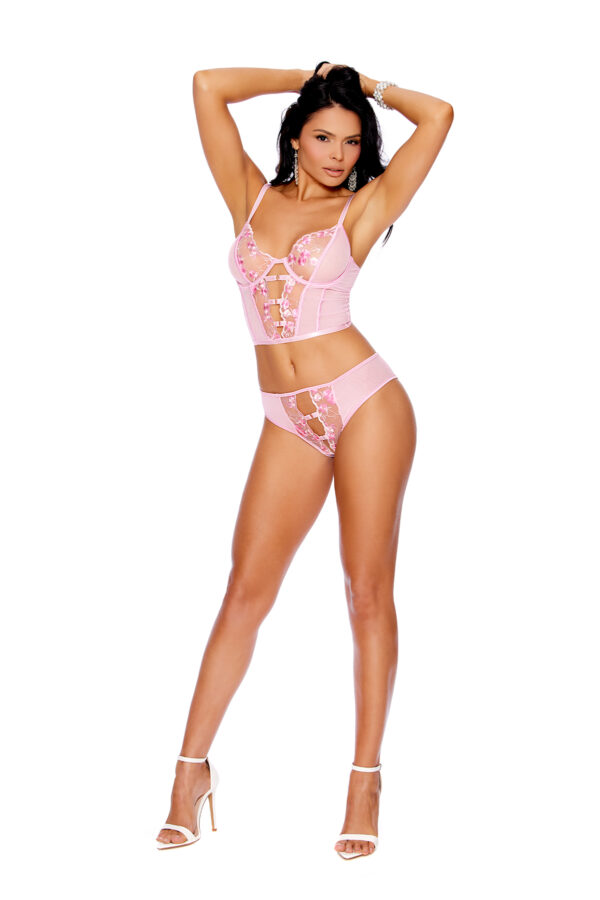
Bridal lingerie occupies a particular place in the broader wardrobe — it is bought with heightened intention, worn at heightened moments, and often kept long after the event. A well-chosen piece from the wedding night can become something worn on anniversaries; a good honeymoon pyjama set persists in the wardrobe for years. This is the category where the quality of the original choice matters most.
The modern approach to bridal lingerie has moved away from a prescriptive trousseau model — the idea that a bride should arrive at marriage with a predetermined set of pieces in white or ivory. Instead, it takes the bride's existing taste as the starting point and extends it into the territory of occasion, comfort, and travel. The question is not "what should a bride wear" but "what does this particular person wear, and what version of that serves these specific occasions."
This guide covers the full territory: what to wear on the wedding night, how to build a honeymoon wardrobe, what goes under the dress, how to approach a boudoir session, and how to care for the pieces that are worth keeping. It links to clusters that go deeper on each topic.
The wedding night
The wedding night is an occasion where comfort and beauty need to be held simultaneously. The common pitfall is choosing something purely for appearance that is uncomfortable to wear — structured, difficult to get into, or made of fabric that feels warm and restrictive in a heated room.
The practical considerations: fabric breathability (silk charmeuse or fine cotton lace rather than heavy satin), ease of undressing (minimal hooks, no intricate fastenings), and whether the piece can be worn to sleep in, or whether a separate sleep piece is needed.
The range of appropriate choices is wider than the bridal lingerie category typically suggests. A beautiful slip in 16-momme silk can work as well as a traditional bridal set; a fine-cotton camisole and shorts combination may be more comfortable than structured lace in a warm venue.
The guide to wedding night lingerie covers the decision in detail, including notes on warm-weather venues, the logistics of a long dress, and when structured lingerie makes sense versus when it does not.
What to wear under the dress
Lingerie under a fitted wedding dress is a functional question as much as an aesthetic one. The dress silhouette determines the options.
For a close-fitting or mermaid silhouette, seamless and low-profile are the key requirements. Moulded cups without seams visible through the fabric, briefs with flat hems, and low-back adhesive options for dresses with low or open backs.
For a full-skirted silhouette, the lingerie is less visible but the comfort over a long day matters more. A well-fitting bra that can be worn for ten hours without readjustment is worth more than a decorative piece that requires attention.
For slippery fabrics — particularly silk satin and charmeuse — a silk or cotton-jersey underlayer helps prevent the skirt from clinging and riding up. The guide to wearing a silk slip under a wedding dress covers this specific application.
The full topic is addressed in what to wear under a fitted wedding dress.
The honeymoon wardrobe
A honeymoon wardrobe is a miniature capsule — a set of pieces chosen to cover the occasion range of the trip, travel well in a suitcase, and require minimal care in a hotel room.
The typical composition: one or two pieces for the occasion evenings, a pyjama or sleep set that functions as both sleepwear and morning wear, a robe suitable for hotel room wear, and two to three everyday pieces for the day-to-day. Seven pieces is a reasonable upper limit; more creates packing problems and reduces wearing frequency.
Fabric choice matters for travel. Silk crepe and jersey travel better than charmeuse and satin-weave silk because they are more crease-resistant; modal is the most travel-tolerant of the soft everyday fabrics. The guide to building a honeymoon lingerie wardrobe provides a seven-piece framework with notes on care in transit.
For warm-climate destinations, the fabric weighting shifts toward lighter, more breathable constructions. The guide to honeymoon lingerie for a warm climate addresses this specifically.
The boudoir session
A boudoir photography session is a context that has its own set of practical considerations, separate from what is beautiful in daily wear or on the wedding night. The photographs are the point; the lingerie is the medium.
What photographs well tends to be clean, minimal, and with good tonal contrast against the skin. Heavy embellishment, complex hardware, and printed or heavily textured fabrics can compete with the subject rather than supporting it. Plain silk, fine lace with a clear pattern, and tonal combinations generally read better in print and digital than heavily constructed or decorated pieces.
The framing should be confidence-first rather than spectacle-first. The guide to choosing lingerie for a boudoir session addresses silhouette choices, fabric recommendations, and how to communicate with the photographer about what you are bringing.
The trousseau as an ongoing wardrobe
The classic trousseau — a set of pieces assembled before marriage and intended to last — is not a dated concept. The idea of investing in good-quality lingerie at a moment of intention, and maintaining it carefully, is a practical approach to building a wardrobe that endures.
The modern version of this is less prescriptive about quantity and more precise about quality. Three or four pieces chosen carefully, in materials that are pleasant to wear and possible to care for, will serve better than ten pieces in fabric that deteriorates quickly.
The bridal lingerie guide for the modern bride expands on this philosophy with editorial depth on the trousseau approach, from the rehearsal dinner through to the first few months of marriage.
Care for bridal pieces
Bridal lingerie deserves the same care attention as any silk or lace piece — perhaps more, given the intention behind it. The silk-care and lace-care guides on CougarMetropolis cover the full territory. For wedding-night pieces specifically, the priority is a first wash before wearing, to remove any manufacturing finish that may affect comfort, followed by the usual silk- or lace-appropriate care routine.
See the silk care guide and the lace care guide.
Bridal lingerie in depth
- Wedding night lingerie: what to consider
- Choosing honeymoon lingerie for a warm climate
- Bridal lingerie for the modern bride
- What to wear under a fitted wedding dress
- The benefits of a silk slip under a wedding dress
- How to build a honeymoon lingerie wardrobe
- Choosing lingerie for a boudoir photography session
- Bridal lingerie sets for the wedding night
Browse the bridal edit on CougarMetropolis.