May 4, 2026
The benefits of a silk slip under a wedding dress
Moisture-wicking, static prevention, and the proprioceptive comfort of a silk underlayer — a calm, practical case.
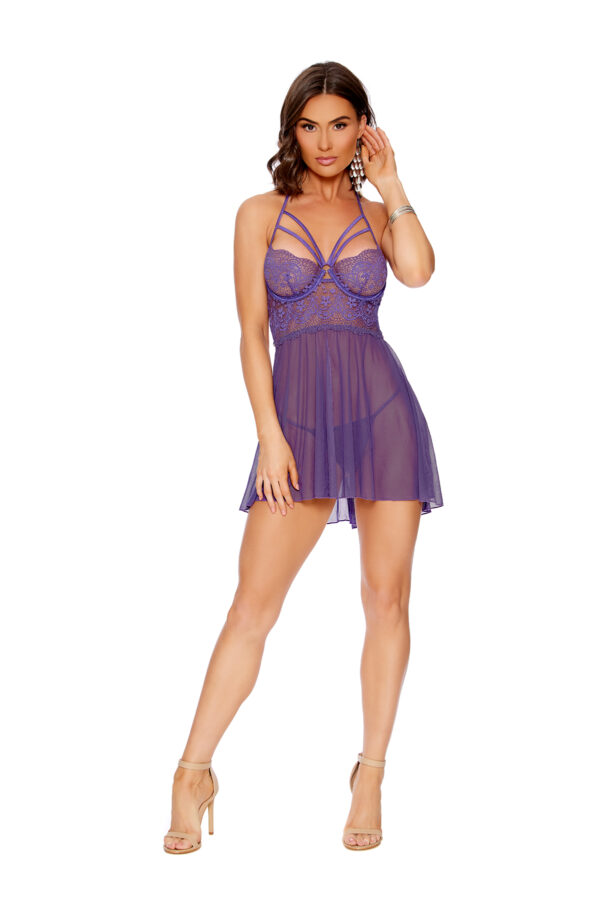
A silk slip under a wedding dress is not a traditional requirement — it is a practical choice that solves several specific problems associated with wearing a formal dress for an extended period. This guide makes the practical case.
The static problem
Synthetic fabrics — particularly polyester and nylon, common in wedding-dress linings and outer fabrics — generate static charge during wear and particularly during movement. Static causes the dress to cling to tights, to the legs, and to the body in ways that are uncomfortable and visible.
Silk is a poor conductor of static charge and does not accumulate or transmit static in the way synthetic fabrics do. A silk slip worn beneath a synthetic-fabric dress acts as an insulating layer that prevents static build-up at the contact point between the dress and the body.
The practical test: if your dress was prone to static clinging during the fitting, a silk slip will significantly reduce it.
The comfort problem
A formal dress worn for twelve or more hours requires the outer fabric to slide across the body — during sitting, during dancing, during getting in and out of vehicles. A dress lining that clings to tights or that generates friction against the thighs becomes uncomfortable over the course of the day.
A silk slip reduces this friction. The smooth silk surface slides against both the dress lining above it and the tights or skin below, creating a comfortable sliding interface throughout the day.
The moisture factor
Formal occasions are warm contexts — the combination of a crowded room, dancing, and the warmth of a dress generates moisture. Silk's moisture-wicking property moves moisture away from the skin and into the fibre for evaporation, which is more comfortable than having the skin contact surface retain moisture against the body.
Choosing a slip for this purpose
The slip should:
- Be cut just below the hemline of the dress, so it is never visible
- Be in a colour that matches or is close to the dress fabric (ivory under ivory, white under white, nude under lighter fabrics if a slightly transparent dress)
- Be lightweight — 12–14 momme is appropriate for an underlayer; heavier silk adds unnecessary warmth
For the sizing approach to selecting a slip, the chemise sizing guide covers the measurement method. The bridal lingerie guide is the full reference.