May 4, 2026
Wedding night lingerie: what to consider
Comfort, ease of dressing, fabric against skin in warm rooms, and the balance between beauty and practicality.
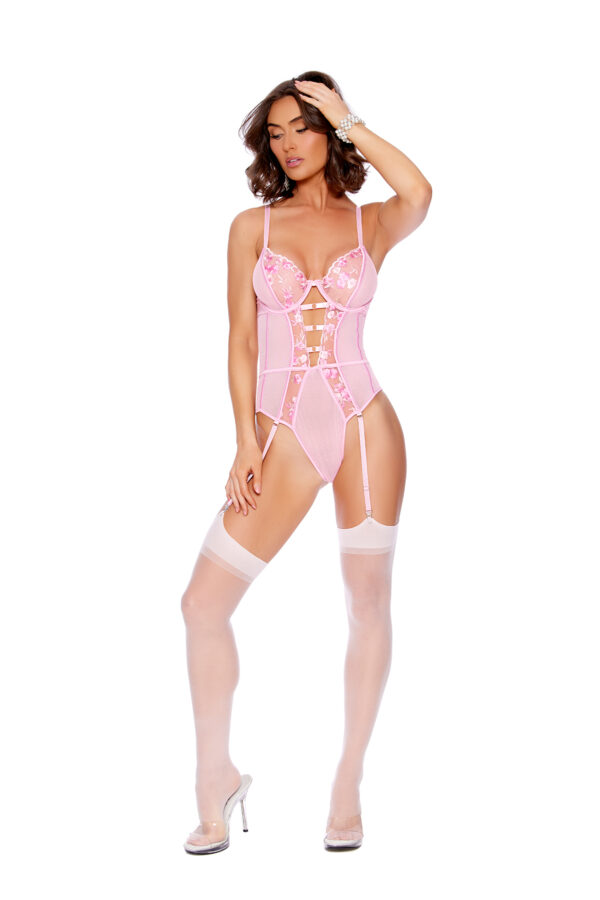
Wedding night lingerie is one of those purchases that carries disproportionate pressure relative to what it actually needs to be. It needs to feel good, to be comfortable in a context that may involve warmth, tiredness, and an emotionally full day, and to be something the wearer feels genuinely herself in. Beyond those requirements, it is a garment.
This guide offers practical guidance on making a choice that serves the occasion rather than the photograph.
The comfort factor
A wedding is a long day. The lingerie worn on the wedding night may be put on at the end of twelve hours of activity. This is not the context for anything that requires careful arrangement, multiple fastenings, or structural precision to look correct.
The most appropriate fabrics for this context: silk charmeuse or silk crepe (cool, fluid, forgiving of how they are put on), fine cotton-lace (breathable, soft, easier to handle than fine silk), or modal jersey (the most forgiving of all, if silk's care requirements feel like an additional complication on a complex day).
Warmth and venue
Hotel rooms and wedding venues are frequently warmer than expected, particularly in summer or when a room has been occupied throughout the day. Heavy charmeuse at 22 momme, or a structured multi-piece set in non-breathable lace, becomes uncomfortable in a warm room quickly.
For warm-weather or summer weddings, 12–14 momme silk or fine cotton-lace are the appropriate weight range. For winter weddings in rooms likely to be cold, heavier silk is appropriate.
Ease of dressing
The one design variable that is specifically worth prioritising: ease of getting into and out of the piece. Multiple fasteners, structural boning, or a design that requires assistance to put on correctly are all risk factors for a context that already carries a lot of variables.
A slip, a camisole, or a light robe — pieces that go on over the head or are tied rather than fastened — minimise this risk. A single clasp or tie is appropriate; anything more complex becomes a consideration.
The sleep piece
If the occasion piece is not comfortable to sleep in — and many are not — a second, simpler piece for actually sleeping is worth including. A fine camisole or a soft pyjama top works as the transition between the occasion piece and the morning after.
For the honeymoon wardrobe context, see how to build a honeymoon lingerie wardrobe. The bridal lingerie guide is the full pillar reference.