May 4, 2026
Choosing lingerie for a boudoir photography session
Silhouettes that photograph well — clean lines, tonal lace, minimal hardware — framed around confidence.
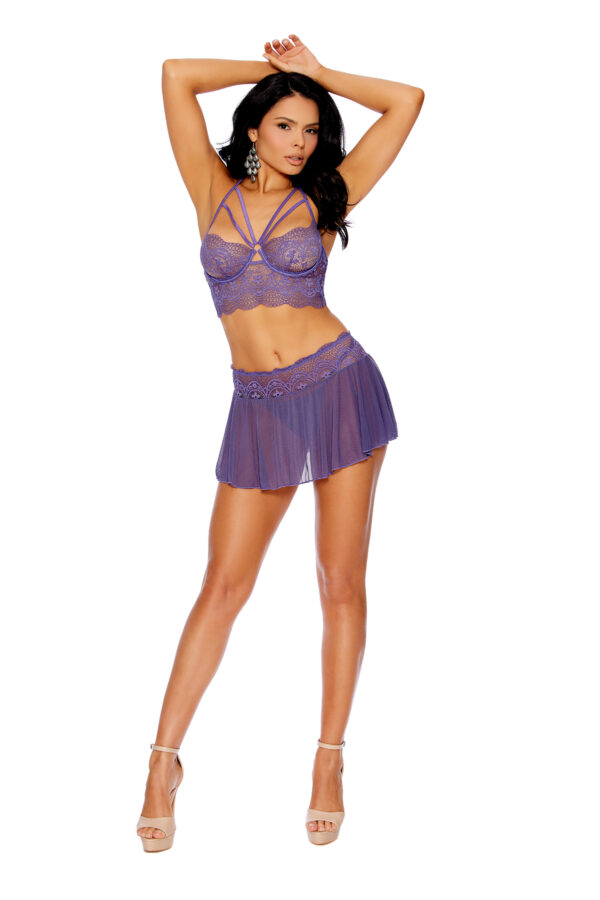
A boudoir photography session is a context where lingerie functions as a prop as much as a garment — the photographs are the product, and the lingerie choices contribute to the visual quality of the final images as much as the lighting, location, and photographer's skill.
This guide addresses what photographs well and what does not, from a practical standpoint, without prescribing a single aesthetic.
What photographs well
Clean lines. Lingerie with clear, defined edges — a set with a simple lace-trim bra and a high-cut brief, or a plain silk slip — reads well in photographs because the silhouette is unambiguous. Complex multi-piece arrangements with many hardware elements, straps, and layers can read as visually busy rather than editorial.
Tonal lace. Lace in a colour close to the wearer's skin tone — blush, nude, ivory on lighter skin; deeper tones on darker skin — creates a soft, barely-there effect that is more interesting in photography than a stark contrast. Stark contrast (black bra, white skin, or vice versa) can work very well; the decision is whether the contrast reads as intentional or as incidental.
Minimal hardware. Metal hardware — clasps, rings, sliders — catches light in a specific way that can either work well or create distracting hotspots in the image. Discuss with the photographer before the session how the lighting is set up; in hard directional light, metal hardware is more likely to create highlights that draw the eye away from the subject.
Fabric that moves. Silk charmeuse and fine lace create movement in photographs — a fold, a shadow, a slight shift in the fabric — that adds visual interest. Stiff, non-draping fabrics (heavy satin, rigid polyester) create a more static image.
What to bring to a session
Bring three to four pieces rather than one or two. This allows choices during the shoot, accounts for pieces that look different under the session's specific lighting than they did at home, and provides variety for the final edit.
One piece should be the most personal — the one that feels most "you," the one you would choose to wear rather than to photograph. The photographs made in a piece the subject feels genuinely herself in are almost always better than those made in something chosen primarily for the visual.
Communicating with the photographer
Share the pieces you plan to bring before the session. Ask the photographer which will work best with their lighting setup and shooting style. A photographer who shoots in natural light will respond differently to reflective silk than one who shoots with soft strobes.
The bridal lingerie guide is the full reference for the bridal context. The silk vs satin guide covers fabric properties for visual assessment.