May 4, 2026
A seasonal guide to lingerie and sleepwear
Breathable summer layers, transitional autumn pieces, winter robes, and gifting-season edits — a year-round guide to the seasonal lingerie wardrobe.
In short
How should a lingerie wardrobe change with the seasons?
A lingerie wardrobe should change by fibre and weight rather than by wholesale replacement. Summer wants breathability — silk voile, cotton, open weaves that move air. Winter wants the weight that makes a cold morning bearable, such as heavyweight charmeuse. Autumn and spring are layering seasons. A wardrobe held fixed year-round always contains pieces that are technically present but rarely worn.
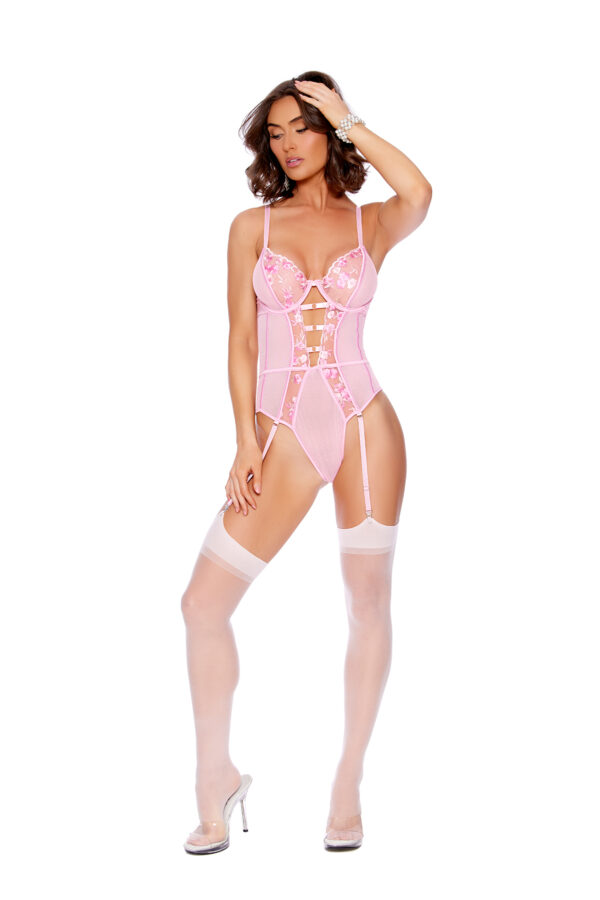
The lingerie wardrobe is not static. Silk voile sleepwear suited to a June night is not the garment you want in January; the heavyweight charmeuse robe that makes a winter morning bearable becomes too warm by March. A wardrobe built around a fixed set of pieces, without attention to seasonal variation, will always have a fraction of pieces that are technically present but not practically worn.
This is not an argument for buying new things each season — it is an argument for thinking about the wardrobe seasonally even if most of what you own crosses multiple seasons. The question at each seasonal shift is not "what do I need to buy" but "what do I have, what is working, what is not, and is there one gap worth filling."
This guide maps the seasonal lingerie wardrobe across the year, with attention to fabric choice, occasion range, and the specific moments — gifting windows, wardrobe refreshes — where the season creates a natural reason to revisit what you have.
Summer: breathability first
Summer lingerie is defined by one requirement above all others: the fabric must not trap heat. This eliminates most synthetic satins (which are essentially non-breathable), most woven polyester (same reason), and anything lined with a thick layer of padding.
The fabrics that work well for summer sleepwear and lightweight lingerie:
Silk voile and silk georgette at 6–8 momme are the lightest practical weights. They are sheer, require careful pairing with opaque linings for daywear, but for sleepwear are unmatched in how they feel against skin in warm conditions. The light weight means they move with air circulation rather than trapping it.
Cotton-lawn is a tightly woven, lightweight cotton with a smooth, slightly crisp hand. It breathes freely and is more opaque than silk voile at equivalent weight. Fine cotton-lawn nightgowns and pyjamas are a practical summer choice that also launder very easily.
Open-weave lace as an overlay or trim on a lightweight base allows air circulation and visual lightness simultaneously.
The guide to lightweight lingerie for hot summer nights covers these fabrics and their specific applications. For a camisole that moves from wardrobe to sleepwear and back, the silk camisole as a summer layer addresses the dual-function case.
Autumn: transitional layering
The September-to-November period is the most challenging for lingerie, because the ambient temperature swings by 10–15 degrees between morning and afternoon, and between indoors and outdoors. A sleepwear set that works in a cool morning bedroom is too warm for an overheated office; a camisole that layers well under a blazer in September is insufficient in November.
The layering logic that works best in this period: a core layer in a temperature-regulating fabric — silk is the obvious choice, because its protein structure actively mediates heat exchange — worn under a fine-knit, open-weave cardigan, or under a light robe that can be removed. This creates a flexible system rather than a fixed outfit.
The guide to transitional layering with lace and silk in autumn covers the specific combinations: a silk chemise under a fine-knit dress, a lace camisole under an open-neck shirt, and how the balance shifts week by week through the season.
Winter: warmth and the morning ritual
Winter lingerie is weighted toward sleepwear and robes — pieces that serve the transition from bed to morning, from morning to dressed. The functional core of a winter lingerie wardrobe is a good robe.
A heavyweight silk satin robe at 22+ momme provides warmth through both thermal mass and silk's natural temperature-mediating properties. A waffle-weave cotton or cotton-modal robe is warmer for the weight, less luxurious in feel, and more tolerant of daily use and washing. The choice between them is partly a question of care tolerance.
For gifting purposes, a robe is the most universally understood luxury gift in the lingerie adjacent category — it is unambiguous in function, not dependent on precise sizing, and tangibly different at higher quality levels. The guide to a luxury robe for the winter morning ritual covers construction variables and what distinguishes a well-made robe from an indifferent one.
For travel in winter — a wellness retreat, a country hotel, a trip with a spa — the packing logic shifts. The guide to what to pack for a winter wellness retreat covers the three-piece principle for hotel and spa travel.
The gifting season: November and December
The November to December gifting window is the most commercially intense moment of the year, and the most saturated with uninteresting recommendations. This guide takes the position that a lingerie gift in this window should be chosen with the same care as any other gift — not because it is on sale, not because it is seasonal, but because it is right.
The holiday lingerie gift guide is structured as a curated edit rather than a sale item roundup. It does not change the editorial register to match the commercial pressure; it maintains the same considered approach year-round. The gifting pillar provides the broader context for gifting lingerie at any time of year.
Valentine's Day: past the cliche
Valentine's Day lingerie has an aesthetic problem: the default recommendation is red and black, lace and structure, which is a category of piece that many people find uncomfortable, unflattering, or simply not their style. The commercial category does not reflect the full range of what can be given and worn meaningfully on a day framed around intimacy.
The alternative approach: ivory silk, soft tonal lace, something the recipient would choose for herself in a different context, presented with care. The guide to Valentine's Day lingerie that is not a cliche makes this case specifically, with recommendations that move past the default palette.
Spring: the wardrobe audit
Spring is the natural moment for a wardrobe audit. The winter pieces are being retired; the summer pieces are being retrieved. Between those two operations, there is usually a clear-eyed view of what needs replacing, what has held up well, and whether there are gaps worth filling.
The useful questions for a spring audit: which of your bras no longer pass the four-point fit check? Which sleepwear pieces have been washed enough times to have changed hand or lost structure? Which pieces have you consistently not worn, and why?
The spring lingerie wardrobe refresh guide turns the audit into a useful ritual — with guidance on assessing wear and care longevity and links to the capsule wardrobe guide for the framework of a considered replacement strategy.
Seasonal lingerie in depth
- Lightweight lingerie for hot summer nights
- The silk camisole as a summer wardrobe layer
- Transitional layering with lace and silk in autumn
- A luxury robe for the winter morning ritual
- What to pack for a winter wellness retreat
- A holiday lingerie gift guide for her
- A spring lingerie wardrobe refresh: what to update
- Valentine's Day lingerie that is not a cliche
Browse the full lingerie edit on CougarMetropolis.