May 4, 2026
Transitional layering with lace and silk in autumn
How lace and silk layering works as the temperature drops — warm enough, light enough, and visually considered.
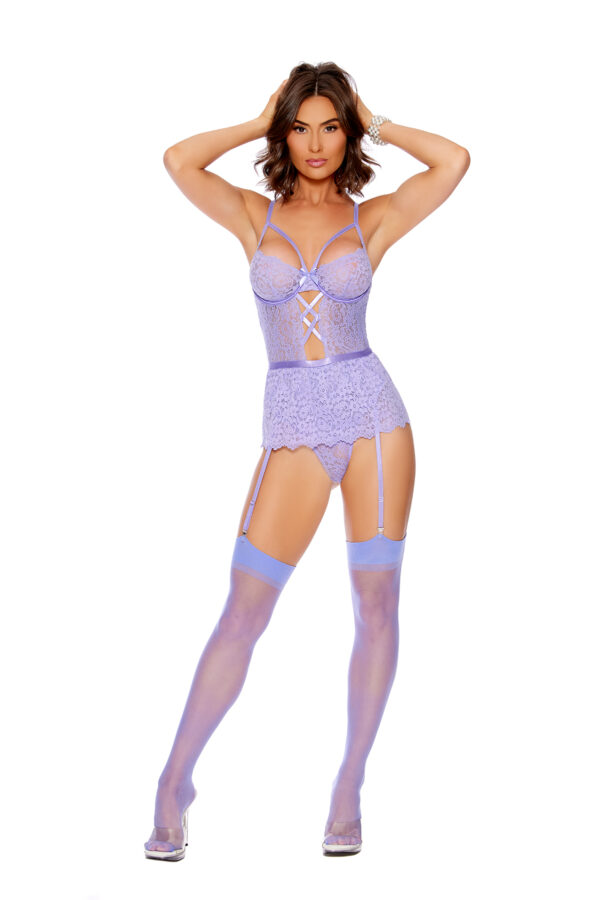
Autumn creates a specific layering problem: mornings at 8°C and afternoons at 17°C, rooms that are warm when crowded and cold when empty. The lingerie response is not to shift wholesale to heavier pieces but to layer in a way that adds warmth incrementally without making the sum of layers too heavy for the warm part of the day.
Lace and silk are well-suited to this brief. Both are light enough that they add minimal weight; both have enough thermal property that, layered, they create genuine warmth.
The principle of layered thermal mass
Thermal warmth in fabric works partly through air trapping: multiple thin layers trap small pockets of air between them, which act as insulation. A silk camisole worn under a light lace-trim bralette under a shirt creates three layers of air-trapping interfaces between the skin and the outer garment. The sum is warmer than any single layer at the same total weight.
The practical autumn layering stack: a 16-momme silk camisole or slip next to the skin, a soft underwire bra or bralette over it, and then outer clothing. The camisole adds a meaningful temperature increment without adding visible bulk.
Lace as a transitional fabric
Autumn is the season where lace's thermal ambiguity becomes useful. Fine Chantilly or silk-ground lace is too open-weave to be warm on its own, but as a second layer over a silk base it contributes texture and a small additional layer. A lace-trim slip worn under a dress, or a lace-body worn beneath a blouse, moves the thermal balance slightly warmer without any single piece being specifically a cold-weather piece.
Texture in autumn contexts
Autumn wardrobe shifts toward heavier outer fabrics — wool, tweed, heavier cotton. The contrast between these fabrics and the smooth, fine-textured surface of silk or lace creates a material conversation that is specific to the season. A fine silk slip beneath a heavy-wool midi dress is a different experience from the same slip beneath a linen dress.
Transition pieces
Autumn is also the appropriate moment to introduce slightly heavier silk weights: the same camisole that worked at 12 momme in July is appropriate in a 16-momme version from September. The weight is barely perceptible in the hand but produces a different thermal experience against the skin in a 15°C room.
For the winter progression, see luxury robe for winter mornings. The full seasonal wardrobe context is in the seasonal lingerie guide.