May 4, 2026
Silk versus satin lingerie: feel and drape compared
Thread count, momme weight, and how each fabric moves against skin — beyond the simple "silk is natural" summary.
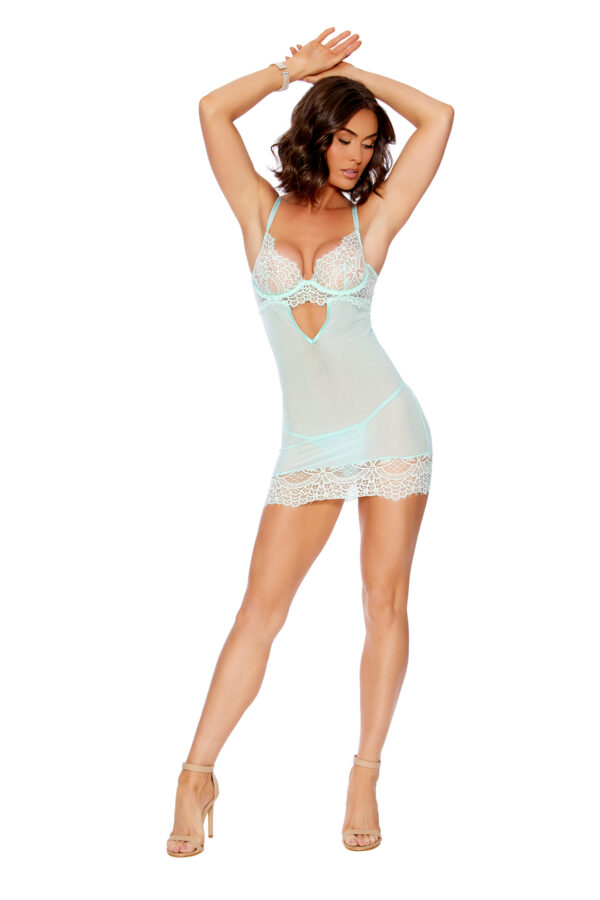
The comparison between silk and satin lingerie is almost always a comparison between silk (a natural fibre) and polyester satin (a synthetic weave). This distinction matters because "satin" describes a weave structure, not a fibre — a fabric can be satin-weave in silk, in polyester, in acetate, or in any other continuous filament. The lingerie market uses "satin" as a shorthand for synthetic satin and "silk" for genuine mulberry silk, which is an oversimplification that creates confusion when buying.
What silk actually is
Silk is a natural protein filament produced by the Bombyx mori silkworm. The filament is naturally triangular in cross-section, which is what gives silk its distinctive directional lustre — the prism-like refraction of light is a structural property of the filament, not a finishing treatment. Silk is naturally temperature-regulating (cool in heat, warming in cool conditions), moisture-wicking, and hypoallergenic for most people.
The weight of the fabric is measured in momme. 16–22 momme is the typical range for lingerie and sleepwear. The higher the momme, the heavier and more durable the fabric.
What polyester satin is
Polyester satin is a woven polyester fabric in a satin-weave structure that creates a smooth, high-sheen face. Polyester is a petroleum-derived synthetic fibre. It is non-breathable — it does not wick moisture away from the skin and does not regulate temperature. It has a characteristic warmth against skin that is the opposite of silk's coolness. It is significantly less expensive to produce than silk.
The sheen of polyester satin is visually similar to silk satin at a glance but technically different: it is produced by the reflective surface treatment and the float structure of the weave, not by the prism-effect of triangular filaments. Under close examination or in natural light, most people can distinguish the two visually.
The practical differences in wear
Against skin: silk feels cool and smooth. Polyester satin feels warm and smooth. In warm conditions, this distinction is the difference between comfortable and uncomfortable.
Movement: silk moves with the body and recovers its drape naturally. Polyester satin is stiffer and has less natural drape recovery, particularly at higher weights.
Durability: polyester is more resistant to abrasion, tearing, and washing agitation than silk at equivalent weight. A polyester satin bra will survive more machine-washes than a silk bra. But silk satin, correctly cared for, outlasts polyester satin's surface integrity — the polyester pilling and surface degradation that accumulates over time does not occur in silk.
How to tell the difference at purchase
Check the fibre content label. A garment described only as "satin" without a fibre specification is almost certainly polyester. A garment described as "silk satin" or "mulberry silk" is the genuine article.
For in-person assessment, the feel test: silk is cool at first contact; polyester satin is warm. For online purchasing without a return option, the vendor's fibre specification is the only reliable indicator.
For practical methods of distinguishing silk from synthetic, see how to tell real silk from synthetic satin. The materials guide covers the full fabric landscape.