May 4, 2026
Can you steam silk lingerie at home
Garment-steamer distance, the temperature ceiling for silk, and why steaming recovers drape that washing can compromise.
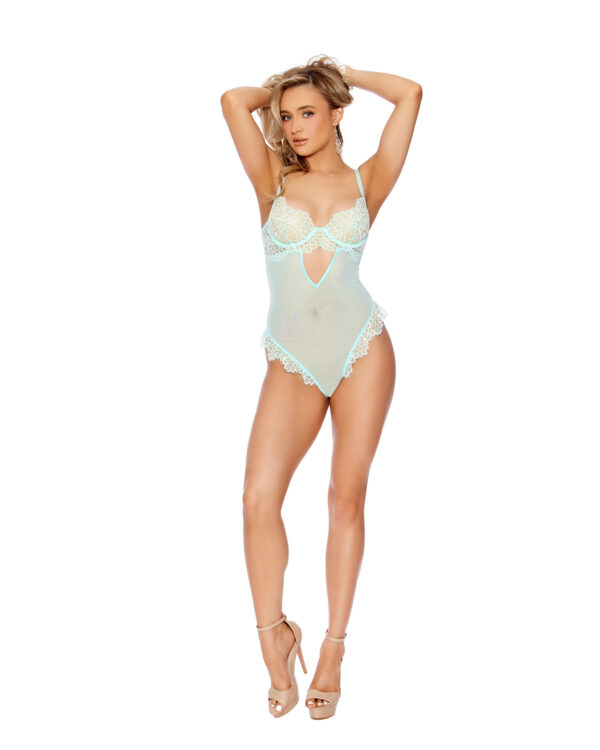
Steaming is the correct finishing method for silk lingerie — preferable to ironing in almost all cases, and capable of restoring the drape and smoothness of a well-washed piece to near-new condition. The method is simple, the equipment modest, and the main risk (holding the steamer too close or too still) is easily avoided.
Why steaming works for silk
When silk dries flat from washing, it retains some of the fold pressure applied during drying and any creases introduced during handling. The silk fibroin is a protein polymer that responds to moderate heat and moisture by relaxing into a new shape. Steaming introduces moisture and gentle heat simultaneously, relaxing the fibre so it falls naturally under gravity into the smooth drape the weave structure was designed to produce.
This is different from what ironing does — ironing applies direct pressure and heat, which can flatten the surface too aggressively and mark or damage the fibres at the contact point. Steaming delivers the heat and moisture without the pressure.
Equipment
A handheld garment steamer produces a continuous stream of steam at a controlled temperature. Most household garment steamers reach 100–110°C at the nozzle, which is higher than the silk-safe temperature ceiling of approximately 90°C at contact. This is why distance from the garment matters.
A steam iron held above the garment without touching it can be used in the same way, but is less controllable. If using a steam iron, set it to the silk setting (typically one dot, the lowest temperature setting) and keep it moving constantly.
The method
Hang the garment from a hanger in a position where it can hang freely — against a door, a wardrobe, or a purpose-made steamer stand. Do not steam flat on an ironing board, because the garment needs to hang under its own weight for the drape to relax correctly.
Hold the steamer nozzle 30–40 cm from the fabric surface. Move the nozzle continuously in a sweeping motion — never hold it stationary, as concentrated steam at one point can mark or over-wet the fabric.
Work from the top of the garment downward. Allow the steam to penetrate lightly and the gravity of the hanging garment to pull the drape into shape. On a thin silk slip or camisole, one pass is usually sufficient. On a heavier silk piece with more significant creasing, two passes at slightly closer distance (25 cm) may be needed.
What not to steam
Do not steam:
- Directly over embroidery or appliqué — see caring for embroidered silk
- Lace trim — steam at close range can distort fine net structure; keep well back or skip lace areas
- Beading or sequins — adhesive and heat do not coexist well
After steaming
Allow the piece to hang for a few minutes after steaming before handling. The fibre needs to cool in the relaxed, draped position for the improvement to set. Folding immediately while still warm will re-introduce creases.
The silk care guide covers the full care routine, including storage and washing.