May 4, 2026
The difference between a slip and a chemise
Hemline, construction, and occasion framing compared — a short, useful guide for navigating CM's slip and chemise edit.
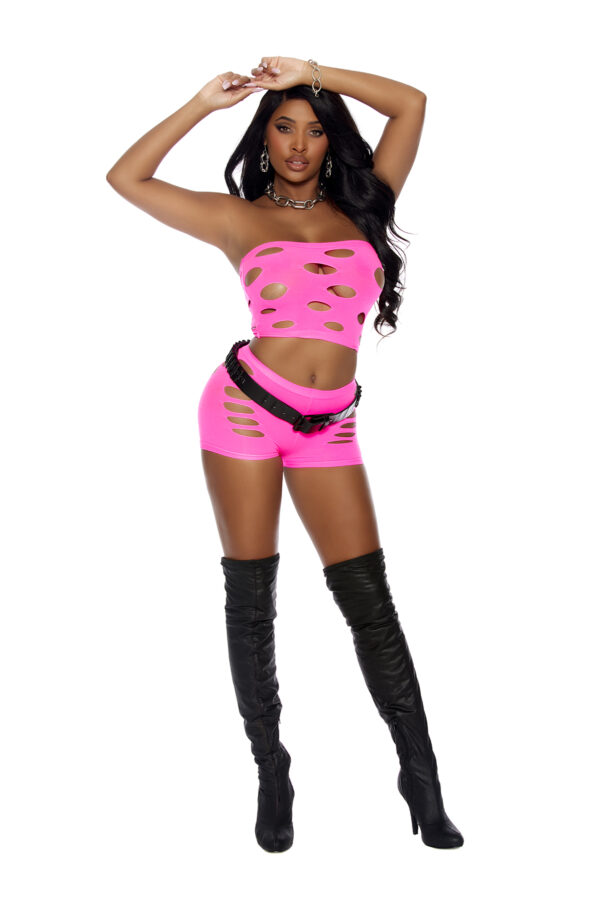
The terms slip and chemise are sometimes used interchangeably in product descriptions and sometimes used to describe quite different garments. The distinction that persists in quality lingerie production is primarily about construction intent: a slip is an underlayer garment, a chemise is a standalone piece. Both can be beautiful; the difference is in what they are designed for.
The slip: an underlayer garment
A slip is designed to be worn beneath a dress or skirt, serving functional purposes: managing static in synthetic fabrics, providing a smooth underlayer that prevents skirt fabrics from clinging, providing a coverage layer under translucent fabrics, and reducing the friction between outer fabric and skin in warm conditions.
Construction reflects this function: slips tend to be cut straight or A-line, hemmed at a point that sits below the hemline of the dress above them, and made from smooth fabrics — typically silk satin, silk charmeuse, or fine jersey — that minimise bulk under clothing.
The aesthetic of a slip is not its primary purpose. A slip may be beautiful, but it is designed around function first: smooth seams, minimal lace at the hem if any, and a silhouette that disappears under clothing rather than drawing attention to itself.
The chemise: a standalone garment
A chemise is designed as a standalone piece — a garment worn on its own as sleepwear or intimate apparel, not as an underlayer. Construction prioritises how the piece looks and feels in its own right: bias cutting, lace trim, decorative straps, and design detail that reads as an independent garment.
A chemise is typically shorter than a full slip — mid-thigh to hip-length is most common — and is cut with more visual intention: a defined silhouette, considered fabric choices, and detail work at neckline, hem, and strap that would be unnecessary if the piece were purely functional.
The practical overlap
In practice, a fine silk charmeuse chemise can serve as both a standalone piece and an underlayer — the silhouette works under a loosely cut dress, and the fabric quality makes it pleasant to wear either way. Many people buy a chemise for its standalone qualities and discover it functions equally well as a slip.
The reverse — using a genuine utility slip as a standalone piece — is less common because the utilitarian construction (straight cut, minimal detail) reads as functional rather than intentional when worn without an outer garment.
On CougarMetropolis
The slip and chemise categories on CougarMetropolis are curated with this distinction in mind. Slips are listed where the construction prioritises the underlayer function; chemises where the construction prioritises the standalone garment quality. For pieces that genuinely serve both purposes, the product description specifies the dual-function nature.
For the related comparison, see slip dress versus full slip: how to choose. The materials guide covers the fabric types most common in each category.