May 4, 2026
Choosing yourself first
Returning to the lingerie drawer after a body has done something significant — a birth, a recovery, a season of being looked after — is rarely a triumphant scene. It is quieter. It involves remeasuring, soft-cup styles, and the small surprise of being chosen by oneself first. We write here for that morning, and for the pieces that meet a body where it actually is.
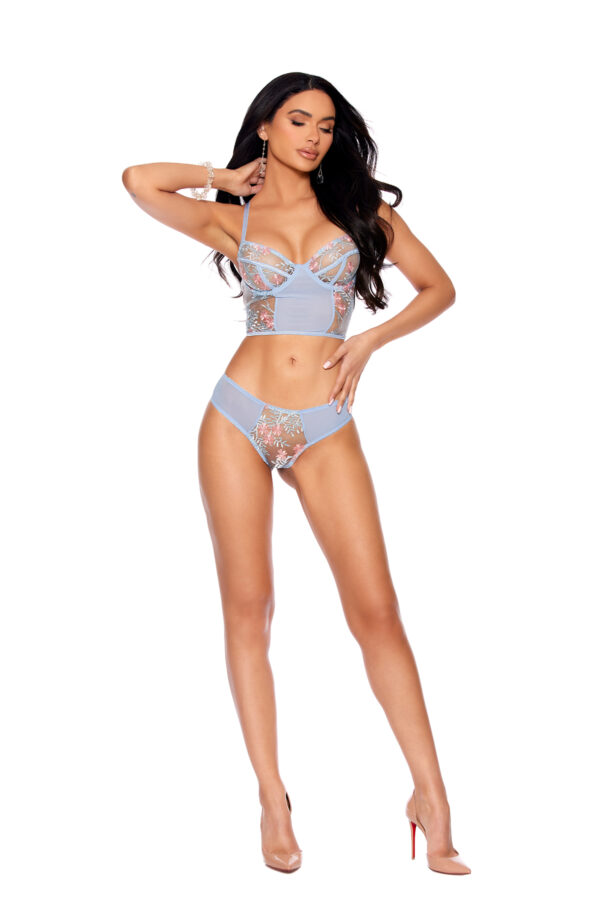
The drawer is opened, generally, on a morning that is not announced as significant. The body has been through something — a pregnancy, a delivery, a surgery, a long stretch of treatment — and the wardrobe that served it before that something is still folded as it was, waiting. Most of it no longer fits. Some of it fits but no longer feels right. A small portion of it, perhaps two pieces, can stay.
This morning is rarely the triumphant return to form that magazines tend to script. It is quieter and more honest than that. The body has done a great deal of work. The drawer is being asked to catch up.
We would offer a single principle for this stage, drawn from years of reader correspondence: soft-cup first. Underwire is not the enemy, and many wearers return to it eventually with great satisfaction; but the first piece bought after a body has changed should be one whose fit is forgiving, whose construction does not press against tissue that is still settling, and whose silhouette can be appreciated in a mirror without the apparatus of correction.
The Lumière Silk Triangle Bralette is the piece we tend to recommend for this shelf. Soft-cup, no underwire, cut from a silk that registers as kindness against skin that has been touched, dressed, and undressed by clinical hands more often than usual in recent months. It is a piece that flatters by accommodating rather than reshaping.
Alongside it, the lingerie edit carries a quiet shelf of soft-cup wholesale styles — the embroidered mesh cami sets, the lace cami with matching booty shorts, the babydolls with adjustable straps and hook-and-eye closure — pieces designed around comfort first and style second, which is the order they ought to come in for any body in transition.
What we have noticed, in the letters readers send us about this stage, is that the piece that matters most is rarely the most expensive one. It is the one that is reached for. The chemise that comes out of the drawer on a Wednesday morning because it feels good against the skin. The bralette that gets worn under a soft sweater for a school run. The robe that is belted while the kettle boils.
Being chosen by oneself first is the quiet work of returning. The drawer reopens slowly. The mirror is met with patience. Nothing on the shelf is required to perform; everything on it is required only to fit, to feel like silk or modal or fine cotton, and to be reached for again.
The sleepwear edit sits adjacent for the wearer building a soft, generous home wardrobe.