May 4, 2026
Lingerie guidance for postpartum, maternity, and post-surgical needs
Maternity, postpartum, mastectomy, and post-surgical lingerie — practical, respectful guidance for every stage of recovery and beyond.
In short
What should I look for in a bra during pregnancy, nursing, or surgical recovery?
Fit changes through each stage, so buy for the body you have now rather than the one you expect. Soft-cup and wireless constructions suit recovery, where a wire can sit on tissue that is healing. Nursing bras need one-handed access without sacrificing support. Refit after each significant change rather than assuming a size persists.
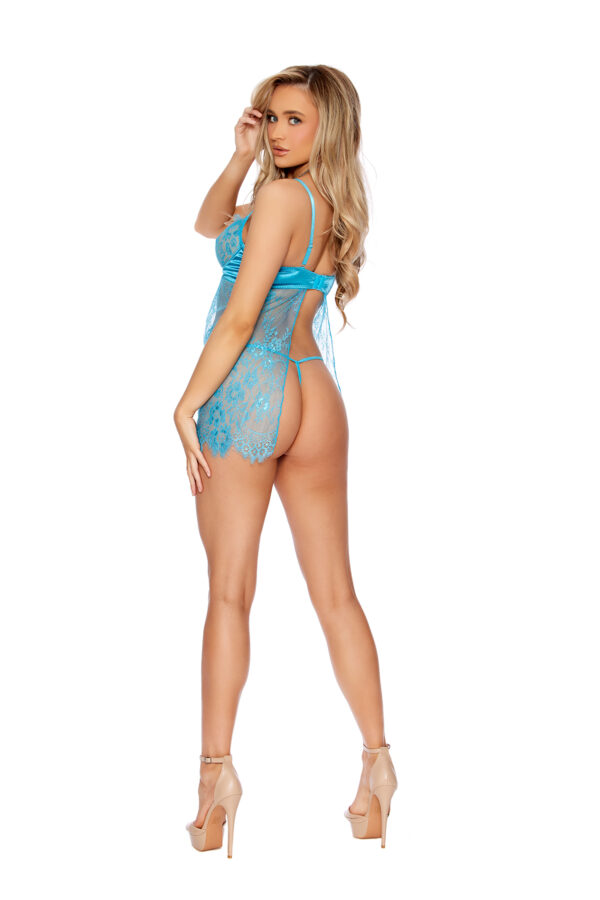
This guide addresses the lingerie needs of people going through physical changes that have medical dimensions: pregnancy, postpartum recovery, mastectomy, breast augmentation, and hysterectomy recovery. It is written to be useful without being clinical — there is enough clinical guidance available in medical settings. What is less available is considered, practical information about lingerie specifically: what to wear, what to avoid, what to look for when you are navigating a body that is changing in ways you may not have anticipated.
Nothing in this guide constitutes medical advice. For clinical fit questions — particularly relating to prosthesis sizing, post-surgical compression garments, and medical-grade support — a specialist fitter or healthcare provider is the appropriate resource. This guide addresses the lingerie layer above that, for the daily and occasion-specific choices that a specialist fitter may not cover.
The tone throughout is respectful. Bodies going through these transitions are neither broken nor in need of correction. They are in specific states that have specific practical requirements, and good lingerie addresses those requirements without making the wearer feel like a problem to be managed.
Maternity: the changing body through each trimester
The body during pregnancy changes in ways that make standard lingerie increasingly unsuitable across the three trimesters. Breast volume begins to change in the first trimester; the ribcage expands through the second and third; and skin sensitivity may increase throughout.
For bras, the practical priorities are:
- Adjustability: a maternity bra with multiple hook-and-eye positions on the band accommodates rib expansion without requiring a new bra at each measurement change.
- Soft-cup or lightly lined construction: wire-free is generally recommended during pregnancy, particularly as the breast root position shifts and standard underwire placement becomes uncomfortable.
- Wide straps and non-cutting edges: supporting increased breast weight without creating pressure.
For briefs and bottoms, the waistband position matters increasingly through the second and third trimesters. Under-bump briefs (cut to sit below the growing abdomen) and over-bump briefs (cut high to support the abdomen without constriction) are the two main options; personal preference and bump position determine which works for a given person.
For sleepwear, softness and temperature regulation are the key requirements. Modal jersey and lightweight cotton are well-suited to the temperature fluctuations common during pregnancy; silk is excellent for temperature regulation but requires more careful laundering at a time when energy may be limited.
The guide to maternity lingerie that supports without pressure covers each trimester with specific guidance on construction and fit.
Nursing bras: function and elegance are compatible
The common perception that nursing bras prioritise function at the expense of appearance is a function of the mass market, not of what is possible. Boutique nursing bras with clip-strap or fold-down cup mechanisms exist in fine modal jersey and lightly trimmed constructions that work under fine knitwear without visible lines or unflattering bulk.
The practical requirements for a nursing bra are:
- Easy one-hand access: the mechanism should be operable with one hand, because the other will typically be occupied.
- Good cup support in the nursing position: the cup should not collapse or create uncomfortable pressure when unclipped.
- Band stability: the band should hold position during nursing, not ride up.
The guide to nursing bras that are comfortable and look elegant reviews the main construction types and their practical wear behaviour.
Postpartum bra fitting
Postpartum breast size is unpredictable and changes rapidly, particularly in the early weeks after birth and during and after breastfeeding. The advice to "wait until your size stabilises" before investing in good lingerie is both understandable and frustrating; the practical response is a small number of well-fitting pieces at each stage, rather than a large investment at a single moment.
The general guidance on timing: a soft-cup or lightly structured bra fitted at six to eight weeks postpartum, remeasured at three months and again when breastfeeding ends (if relevant), and remeasured again at six months postpartum when the body has largely returned to its longer-term state. Each of these moments requires a fresh measurement — size changes across these stages are significant and do not follow a predictable pattern.
See the postpartum bra fitting guide for new mothers and the guide to what postpartum lingerie that still feels beautiful for the full picture.
Post-surgical fit: mastectomy
Mastectomy bra fitting is a specialised area where a certified specialist fitter — rather than general retail advice — is the appropriate first resource. The requirements depend on whether the mastectomy was unilateral or bilateral, whether a prosthesis is worn, and the stage of healing at the time of fitting.
The key construction requirements for mastectomy bras:
- Pocket depth and positioning: the pocket must hold a prosthesis securely without allowing movement that creates uneven weight distribution.
- Soft seam construction near the scar: hard seams over or near scar tissue are uncomfortable and potentially damaging to healing tissue.
- Band width and tension: a wide, stable band distributes the weight of a prosthesis without pulling the back band upward.
- Wireless or soft wire: in most cases, particularly in the first year post-surgery, wire-free is the appropriate choice.
The guide to mastectomy bra fitting after surgery covers these requirements in detail, including when to progress from the early recovery stage to a fully structured mastectomy bra.
The guide to lingerie after breast cancer surgery takes a broader view — covering soft-cup options, sleepwear suitable for early recovery, and the transition back to a considered lingerie wardrobe over time.
Soft cup bras and wireless options in recovery
In early recovery from any breast surgery — mastectomy, augmentation, or reconstruction — wireless, soft-cup construction is typically necessary rather than optional. The absence of underwire removes the risk of wire pressure on swollen or healing tissue; soft seam construction prevents abrasion on sensitive skin.
The important care note is that this is not a limitation of what is available in soft-cup construction — it is a function of what exists. There are well-made, fine-looking soft cup bras in the boutique market, in materials ranging from seamless modal to silk-trimmed cotton. The guide to soft cup bras for post-surgical comfort covers the range of options and what to look for in construction quality.
Hysterectomy recovery
Recovery from a hysterectomy creates specific requirements around the waistband position of briefs and sleepwear bottoms. Standard-rise briefs — which sit at or near the natural waist — apply pressure directly to the surgical site during the recovery period.
The practical approach during recovery is high-rise or over-bump styles that distribute waistband tension above the surgical site, or very low-rise styles that sit entirely below it. The ideal choice depends on the incision location, which the surgeon can advise on.
The guide to lingerie for women recovering from a hysterectomy covers the practical considerations across the recovery stages.
The postpartum lingerie wardrobe as self-continuity
There is a tendency in the postnatal period for everything not classified as baby-related or recovery-related to be deferred. Lingerie falls into this category — it feels like a lower priority. This is understandable, and there is no argument here for prioritising the wardrobe above rest and recovery.
The case for paying attention to how you dress when the energy permits is a different one: that clothing, including lingerie, is a form of self-continuity. The soft-modal nursing bralette you choose because you like it, rather than simply because it functions, is a small act of self-recognition in a period when many new parents feel they have lost their own contours.
The guide to postpartum lingerie that still feels beautiful is written in this spirit.
In this series
- Maternity lingerie that supports without pressure
- Nursing bras that are comfortable and look elegant
- Postpartum bra fitting for new mothers
- Lingerie after breast cancer surgery: what to know
- Mastectomy bra fitting after surgery
- Soft cup bras for post-surgical comfort
- Lingerie for women recovering from a hysterectomy
- Postpartum lingerie that still feels beautiful
Browse the lingerie edit on CougarMetropolis.