May 4, 2026
Natural fabrics for sensitive skin lingerie
Silk, modal, and Tencel as the three well-evidenced choices — and how synthetic lace overlays affect breathability.
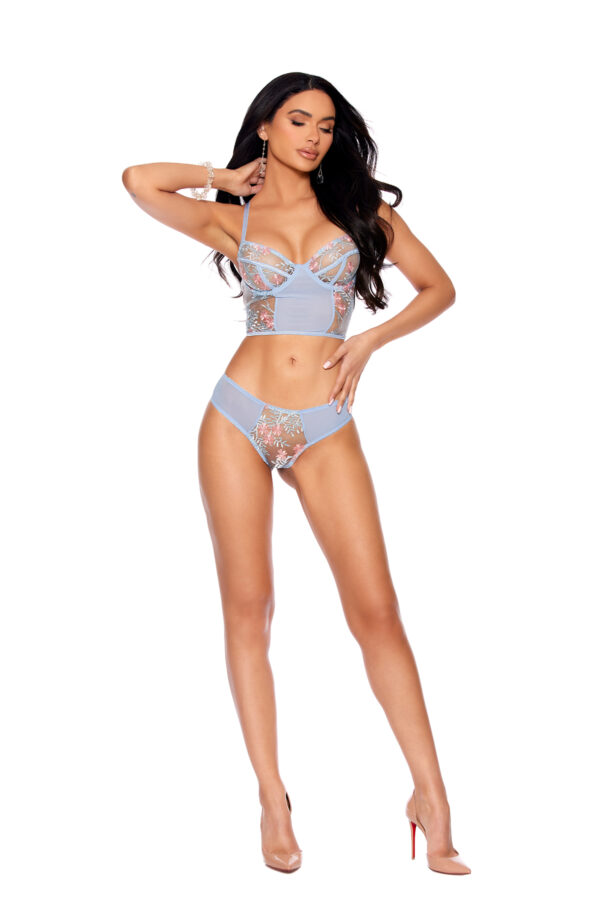
For people with chronic skin sensitivity, eczema, contact dermatitis, or simply skin that reacts to rough or synthetic fabrics, lingerie fabric choice is a functional medical consideration as much as a preference. The fabrics with the strongest evidence for skin tolerance in the existing literature — clinical and applied — are mulberry silk, modal, and Tencel lyocell.
This guide is not a medical guide. It is an assessment of the available evidence about fabric properties and skin tolerance, written to help make more informed choices.
Mulberry silk
Silk is a protein fibre (fibroin) with a smooth, continuous filament that has no exposed fibre ends of the kind that make wool and some cotton constructions scratchy against skin. The protein structure of silk fibroin is not identical to human skin protein, but it is sufficiently similar that silk is less likely to trigger an immune response than most synthetic fibres.
The evidence for silk in dermatological contexts comes primarily from clinical studies of eczema management — several randomised controlled trials have found that silk clothing reduces symptom severity scores and itching in children with moderate eczema compared to cotton controls. The mechanism is thought to involve both the smooth filament surface (less physical irritation) and silk's temperature and moisture regulation.
The caveat: the sericin protein coating on raw silk is a contact allergen for some people. Degummed silk — silk from which the sericin has been removed during processing, which is standard in all commercial silk fabric — does not carry this risk. Fine silk lingerie is made from degummed silk.
Modal
Modal is a semi-synthetic cellulosic fibre that has been consistently rated as hypoallergenic under standard testing conditions. Its smooth filament reduces physical surface irritation. It is pH-neutral, and good-quality modal does not contain the residual processing chemicals that are sometimes present in poorly-processed viscose rayon.
Micro-modal (a finer filament version of modal, produced by Lenzing under the brand name MicroModal) has an even smoother surface and is the preferred choice for underwear intended for sensitive skin. Most premium modal underwear uses micro-modal rather than standard modal construction.
Tencel (lyocell)
Tencel lyocell is a closed-loop cellulosic fibre made from eucalyptus pulp. Its pH is close to skin pH (approximately 5.5), it is highly moisture-wicking, and its smooth filament has low mechanical irritation. Studies testing Tencel against cotton and polyester for sensitive skin have found Tencel to perform well in both subjective comfort ratings and in moisture management tests.
Tencel's environmental credentials — the closed-loop production process — are a secondary benefit for some buyers. The skin benefit is the primary relevant factor here.
The lace overlay problem
Many lingerie pieces with a natural-fibre ground (silk, modal, or cotton) have a synthetic lace overlay or trim — stretch nylon lace, for example, covering a silk slip. For people with skin sensitivity, this overlay means the fabric in contact with skin may not be the material on the label.
The practical question is: which surface is in direct skin contact? A silk camisole with a nylon-lace trim at the neckline and hem has silk against most of the body and nylon at the edges. For most people with mild sensitivity, this is fine. For people with contact dermatitis to nylon or synthetic fibres, it is not.
When sensitivity is significant, choose pieces where the ground fabric is the skin-contact fabric throughout, or where lace trim is minimal and positioned away from the most sensitive areas.
The materials guide covers fabric properties broadly. For Tencel specifically, see is Tencel a good fabric for sensitive skin lingerie.